Signs Your Air Source Heat Pump Needs Repair
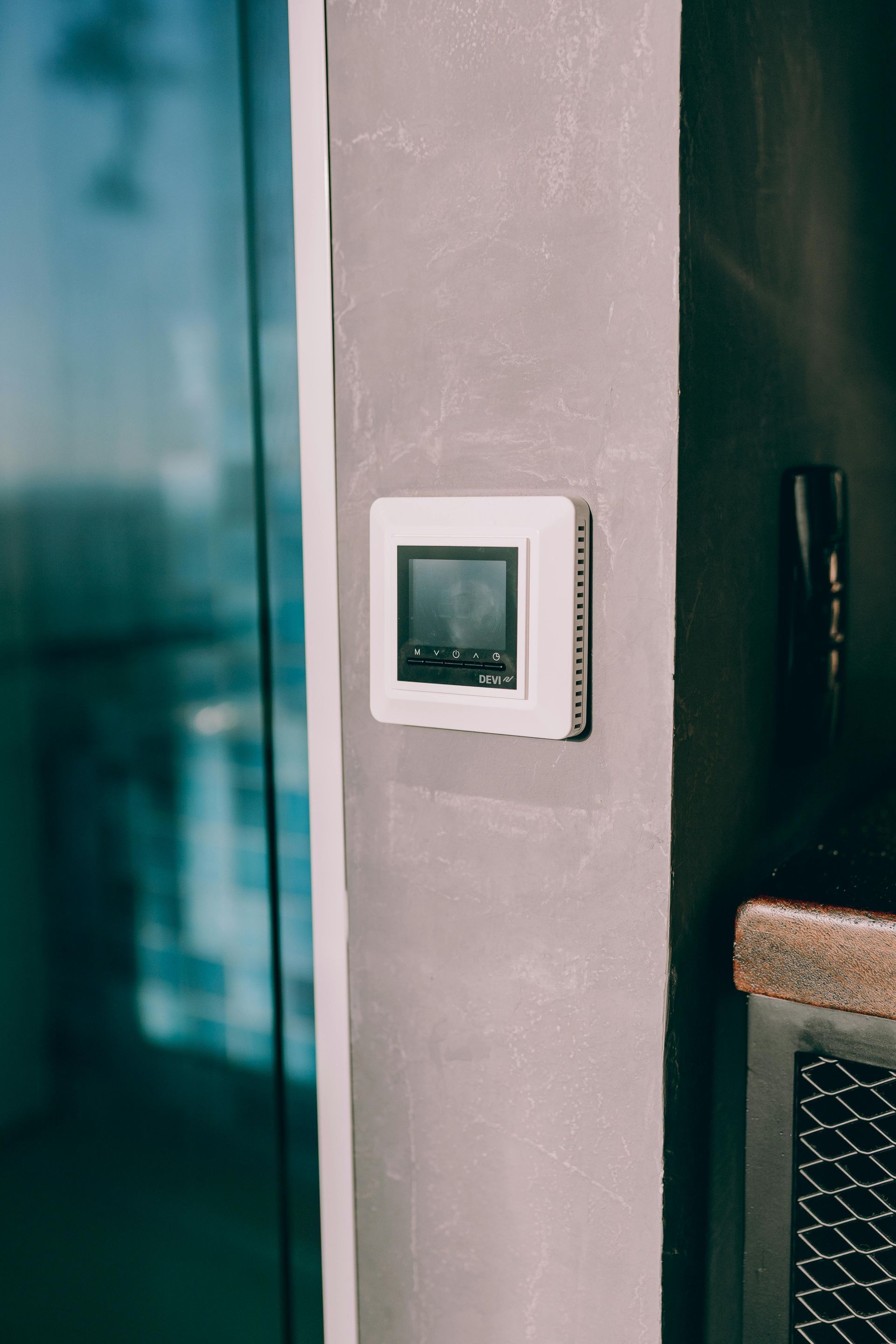
Your Home Is Not Heating Properly
Your Electricity Bills Have Increased
An unexpected increase in electricity consumption could indicate that your heat pump is working harder than necessary to maintain a comfortable temperature.
However, colder weather, changes in energy tariffs and increased heating use can also affect your bills. If your usage rises without an obvious explanation, it may be worth having your heating system checked.
Your Heat Pump Is Making Unusual Noises
Heat pumps make some noise during normal operation, particularly when the fan and compressor are running. However, new or unusually loud grinding, rattling, buzzing or banging sounds may indicate a mechanical issue or loose component.
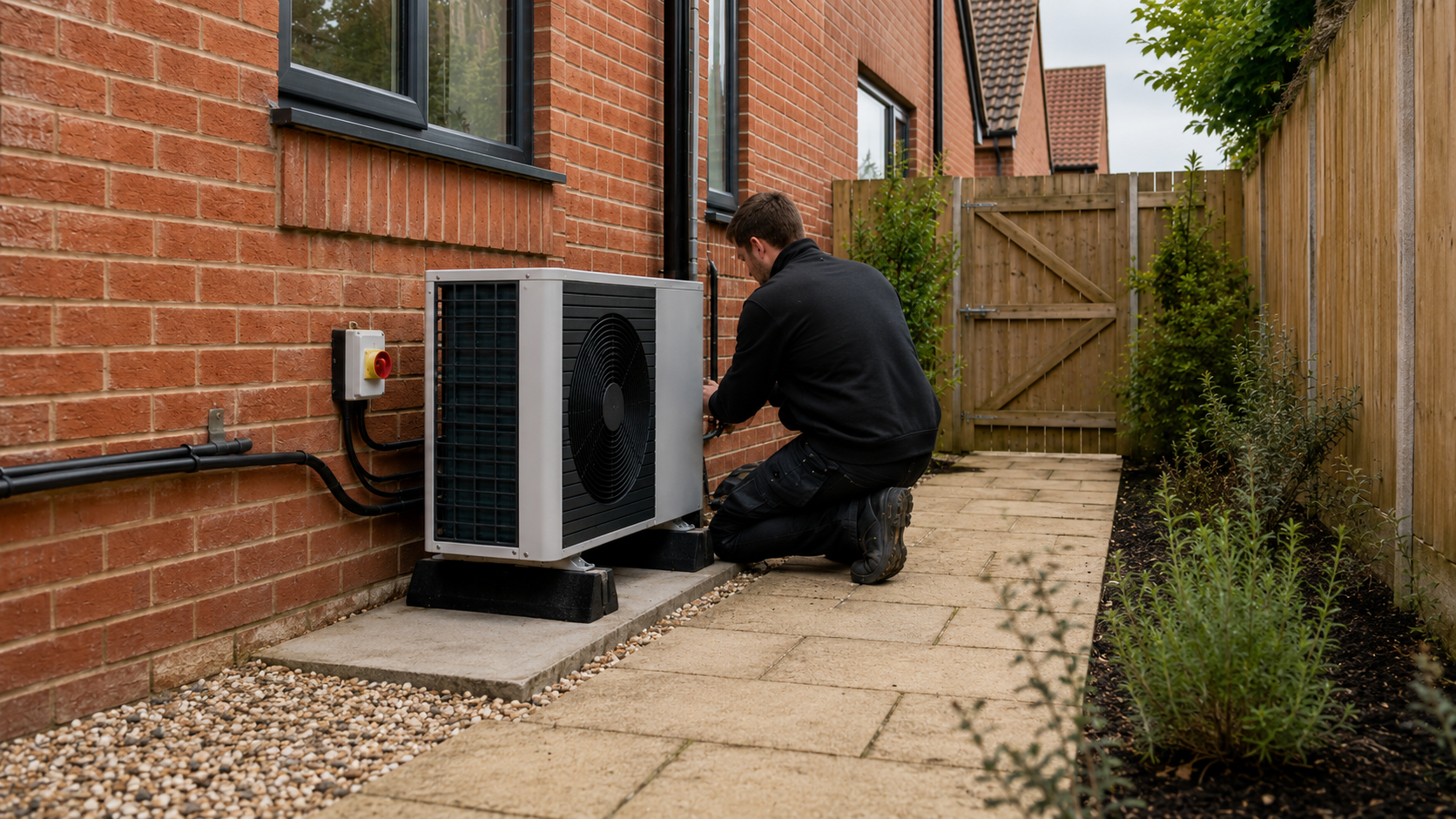
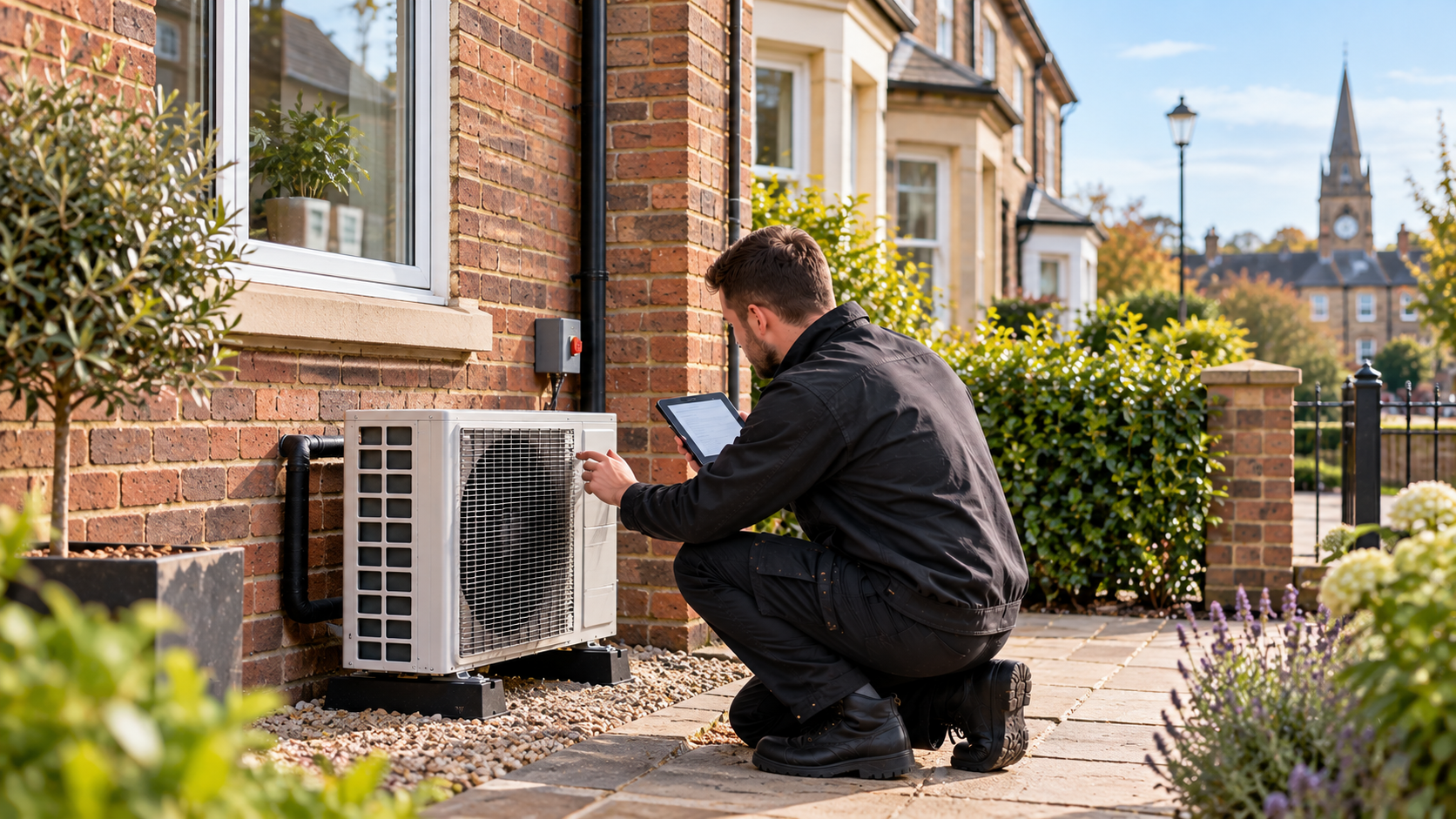
Avoid dismantling the unit yourself. If unusual noises continue or become more noticeable, arrange a
professional inspection.
Excessive Ice Is Building Up on the Outdoor Unit
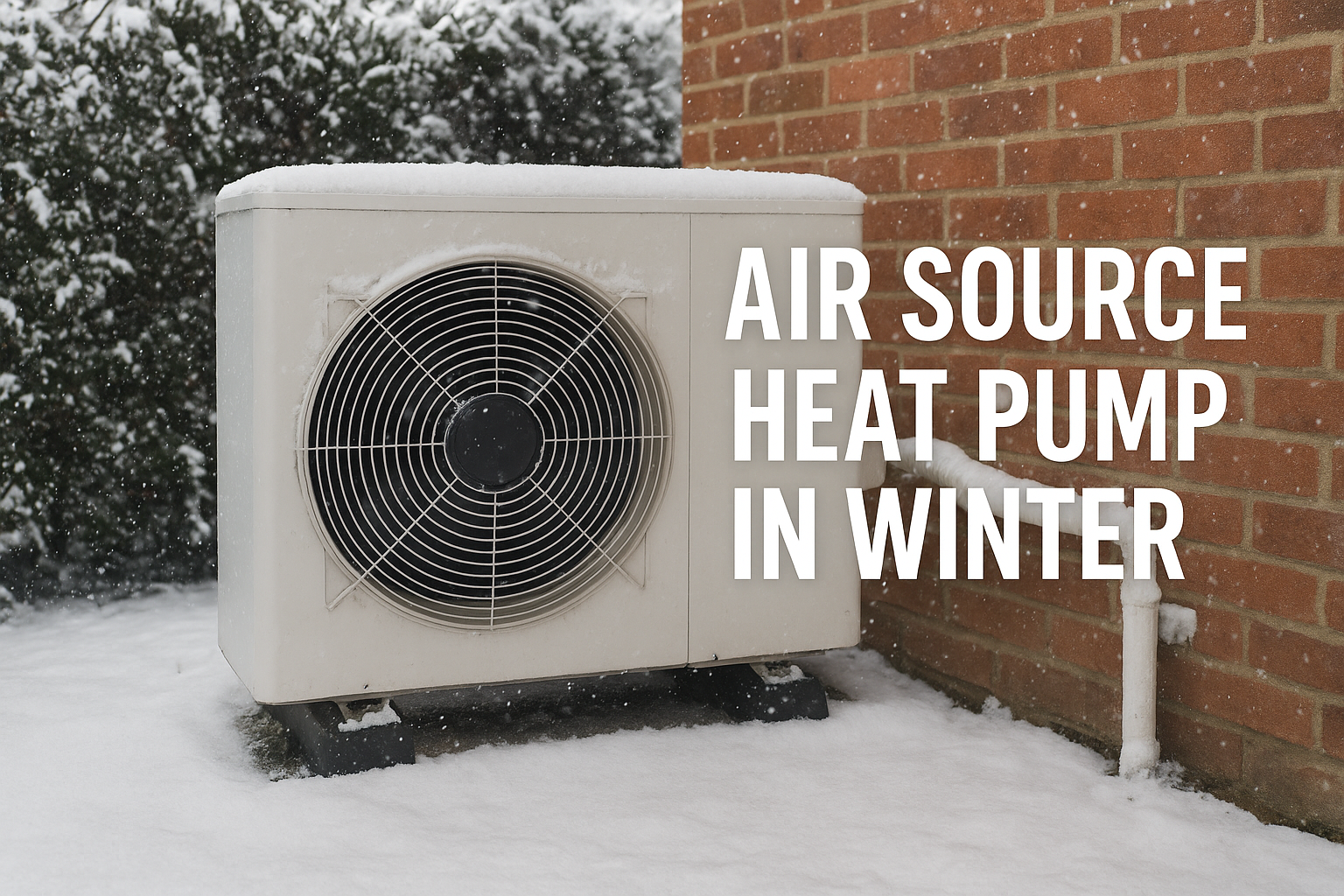
A light layer of frost on an outdoor unit can be normal during cold weather. Most modern air source heat pumps have an automatic defrost cycle to remove it.
Persistent ice that does not clear as expected may indicate restricted airflow or a problem with the defrost system. Keep leaves and debris away from the unit, but never try to remove ice with sharp tools. If the build-up continues or heating performance declines, seek professional advice.
Your System Displays an Error Code
Many modern heat pumps display error codes when they detect an operating issue. These warnings can relate to operating conditions, sensors or components that require attention.
Check the manufacturer's manual for guidance on the code. If the warning persists, your system stops working or the same message repeatedly appears, contact a qualified professional rather than repeatedly resetting the system.
You Notice Water Leaking Around the Heat Pump
Water around an outdoor unit is not always a cause for concern. Condensation and the defrost cycle can produce water that should drain away correctly.
However, persistent pooling, unexplained leaks or water escaping from heating-system pipework may indicate a drainage or component problem. If you notice a leak, arrange an inspection. If water is near electrical components, avoid touching the equipment and seek appropriate assistance.
Your Heat Pump Keeps Switching On and Off
Air source heat pumps often run for longer periods than traditional boilers. Frequent starting and stopping, particularly when accompanied by poor heating or increased electricity consumption, may indicate an issue with the controls, system sizing or water circulation. A professional assessment can help identify the cause and determine whether repairs or adjustments are needed.
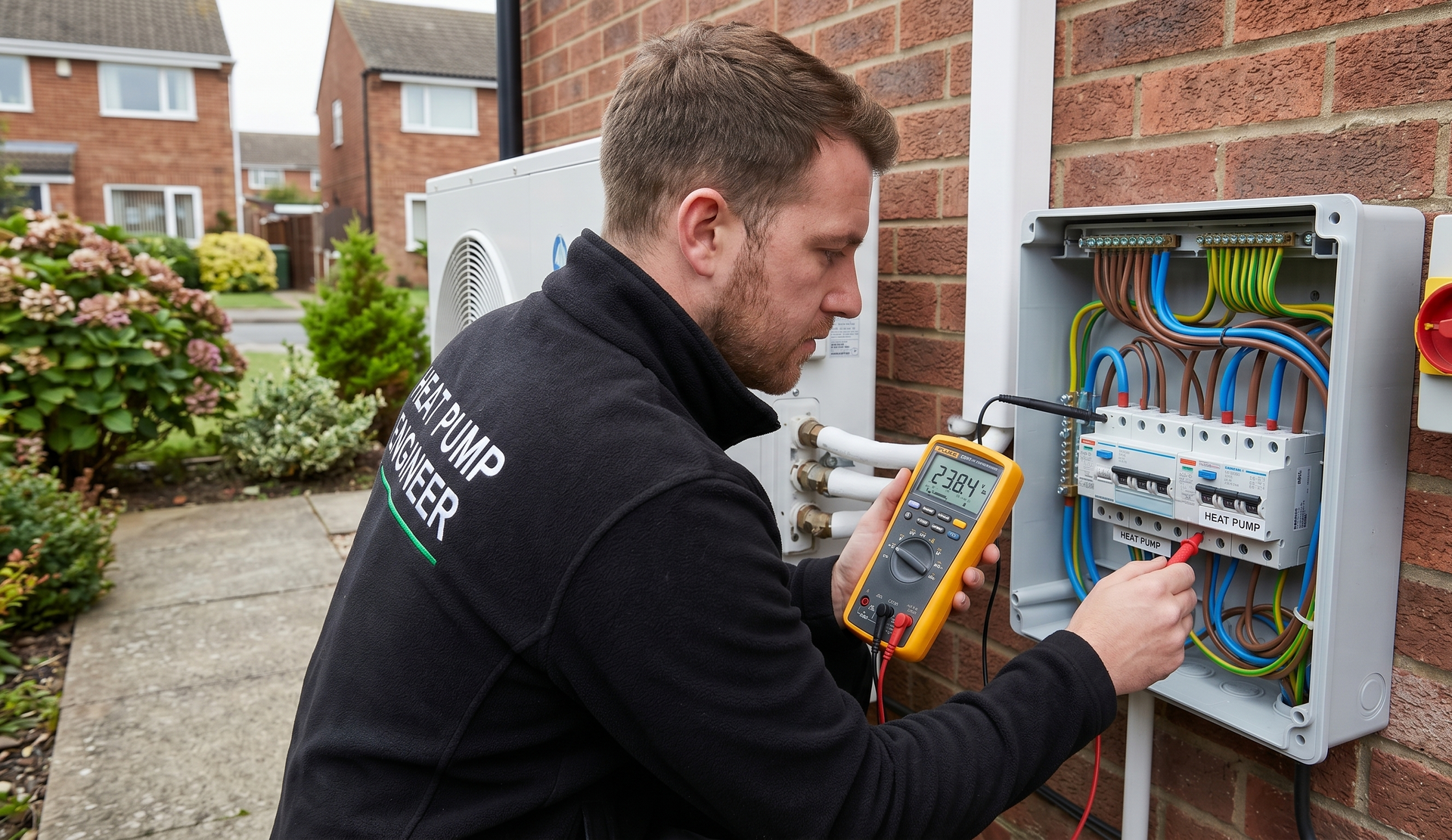
If your heat pump repeatedly underperforms, displays error codes or makes unusual noises, do not ignore the signs. You can check the thermostat and heating schedule yourself, but electrical work, refrigerant issues and internal repairs should be handled by appropriately qualified professionals.
At
Darlington Heat Pumps, we help homeowners understand their heating requirements and explore suitable heat pump solutions. If your system is struggling to heat your home or showing signs of a fault,
contact
our heat pump engineers to discuss your concerns and the support available.