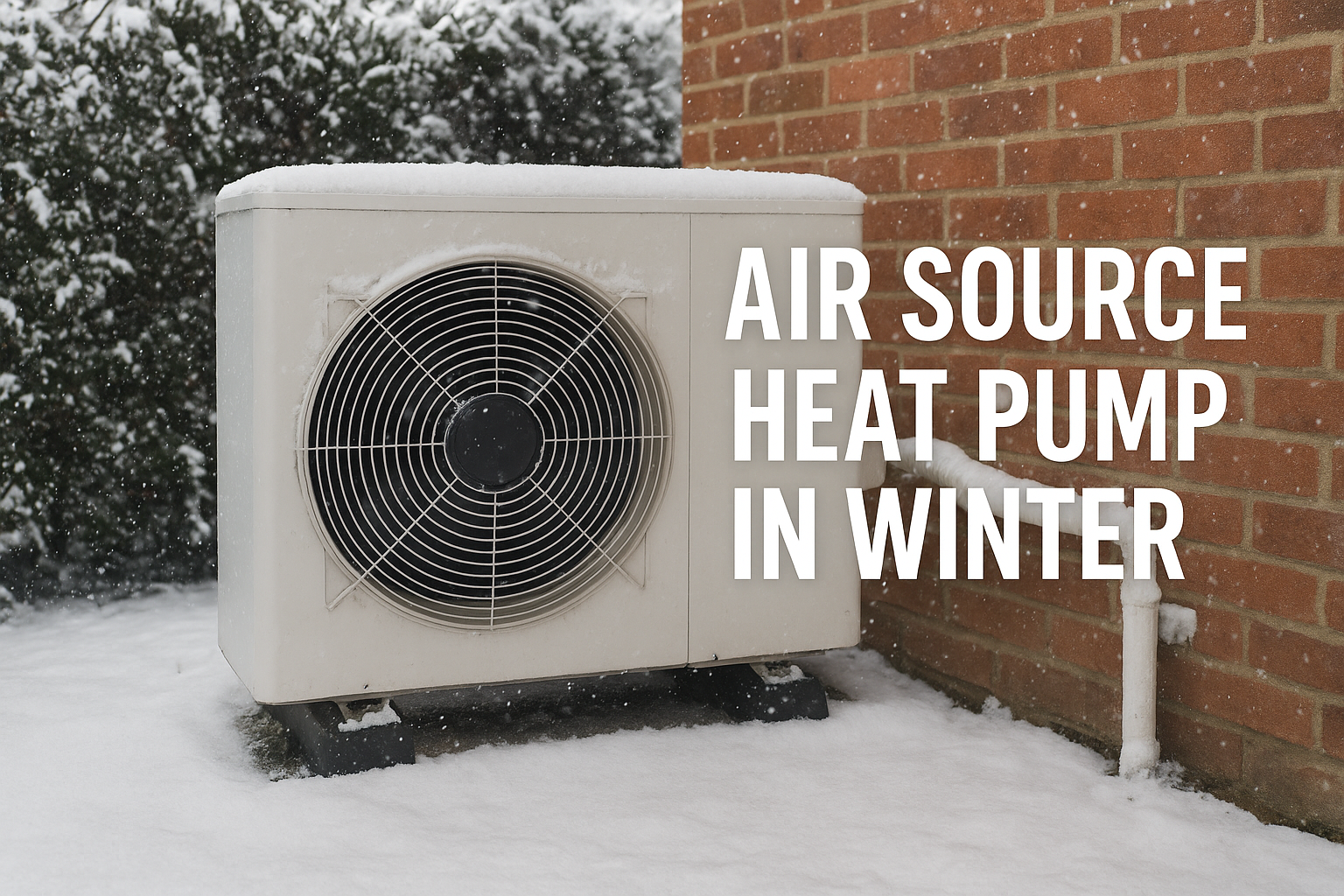
Does a Bigger House Always Need a Bigger Heat Pump?
The Oversizing Trap
Why Heat Loss Dictates Heat Pump Size
The most important factor when sizing an air source heat pump is heat loss.
Rather than relying on a simple calculation based on floor area, a professional assessment considers how much heat is likely to escape from each room. Factors can include the age and construction of the property, insulation levels, windows and doors, ventilation and the size and use of individual rooms.
This room-by-room approach provides a much clearer picture of the heating capacity your home actually needs.
The system design will also take your domestic hot water requirements into account, helping determine the most suitable heat pump and hot water cylinder arrangement for your household.
Heating Older Properties
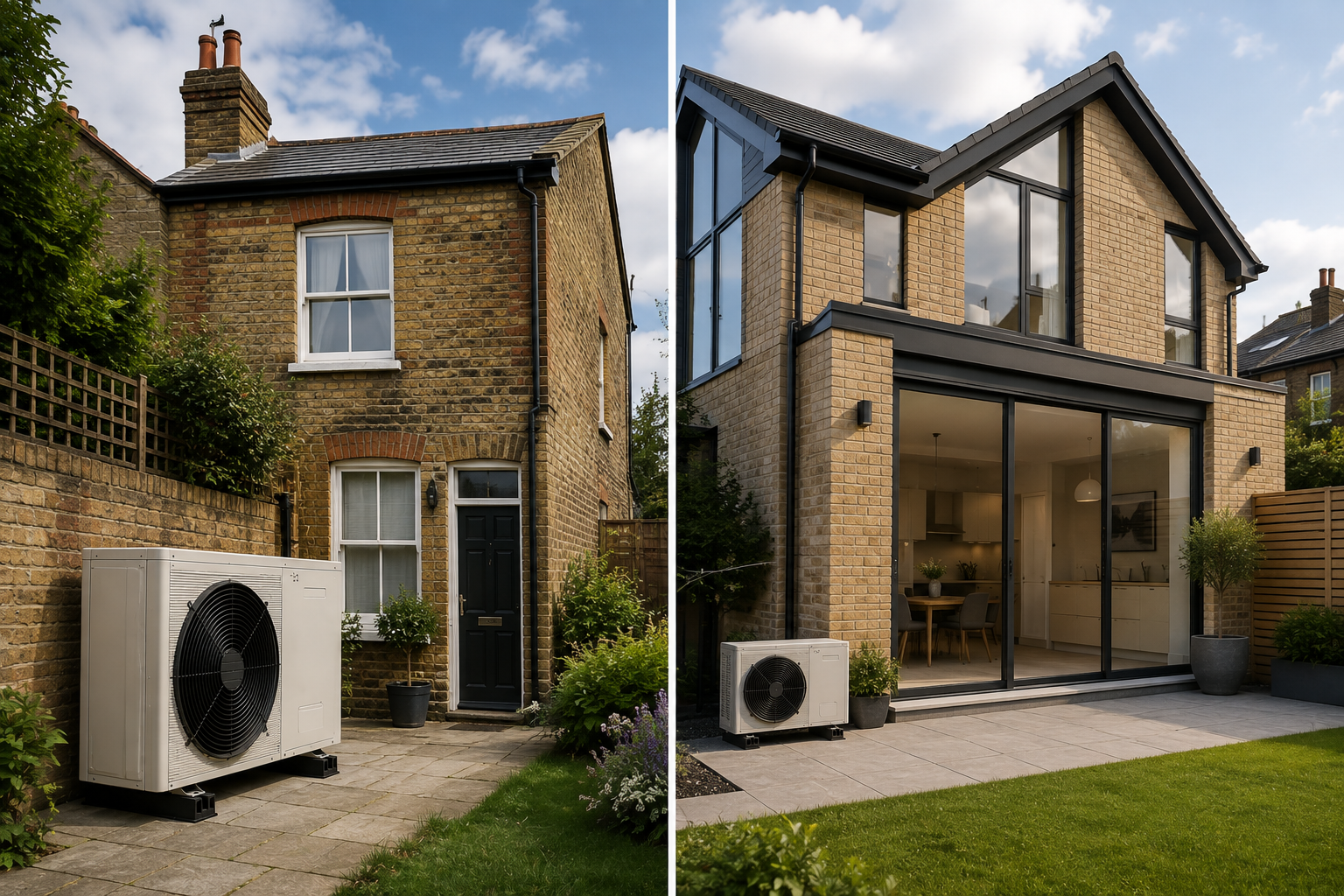
Older properties can sometimes have higher heat losses due to their construction, insulation levels, windows, doors or draughts. However, this does not automatically mean you need a much larger air source heat pump.
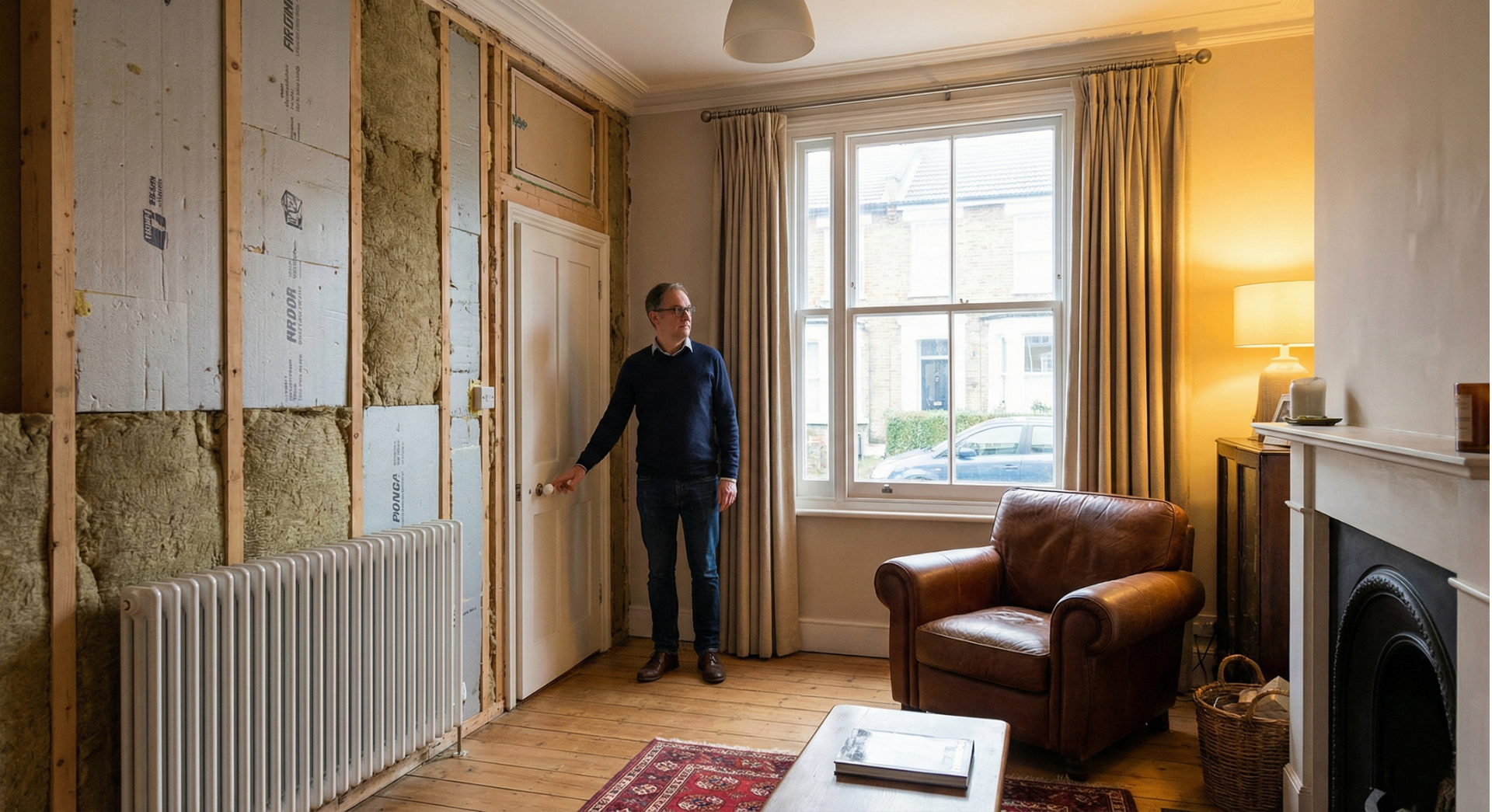
Improving your home's thermal performance can reduce heat loss and potentially allow a smaller, more efficiently sized system to meet your heating requirements. Measures such as improving loft insulation, addressing significant draughts or upgrading suitable wall insulation may all be worth considering.
A heat pump does not necessarily require a completely renovated home, either. A professional heat-loss assessment can identify where improvements would make the biggest difference and determine the heating capacity your property actually needs. This helps ensure your system is designed around the specific characteristics of your home rather than simply being oversized to compensate for potential heat loss.
What About The Existing Radiators?
Your radiators are another important part of the assessment.
Air source heat pumps generally operate at lower flow temperatures than traditional gas boilers. Because of this, some rooms may require radiators with a larger surface area to provide sufficient heat at the lower operating temperature.
However, this does not mean every radiator automatically needs replacing. During a professional survey, each room and its heat requirements can be assessed to determine whether your existing radiators are suitable or whether upgrades would improve performance.
Getting the Right Heat Pump for Your Home
Choosing the right size air source heat pump is about much more than the size of your property. A smaller, well-insulated home may require more heating capacity than expected, while a larger, energy-efficient property could need a relatively modest system.
At Darlington Heat Pumps, we take the guesswork out of heat pump sizing. Our room-by-room heat-loss calculations help us design a system around your home's actual heating requirements rather than simply choosing a larger unit because your property is bigger.
If you're considering an air source heat pump in Darlington or the surrounding area,
speak to our heat pump engineers for honest, tailored guidance on the right solution for your home.