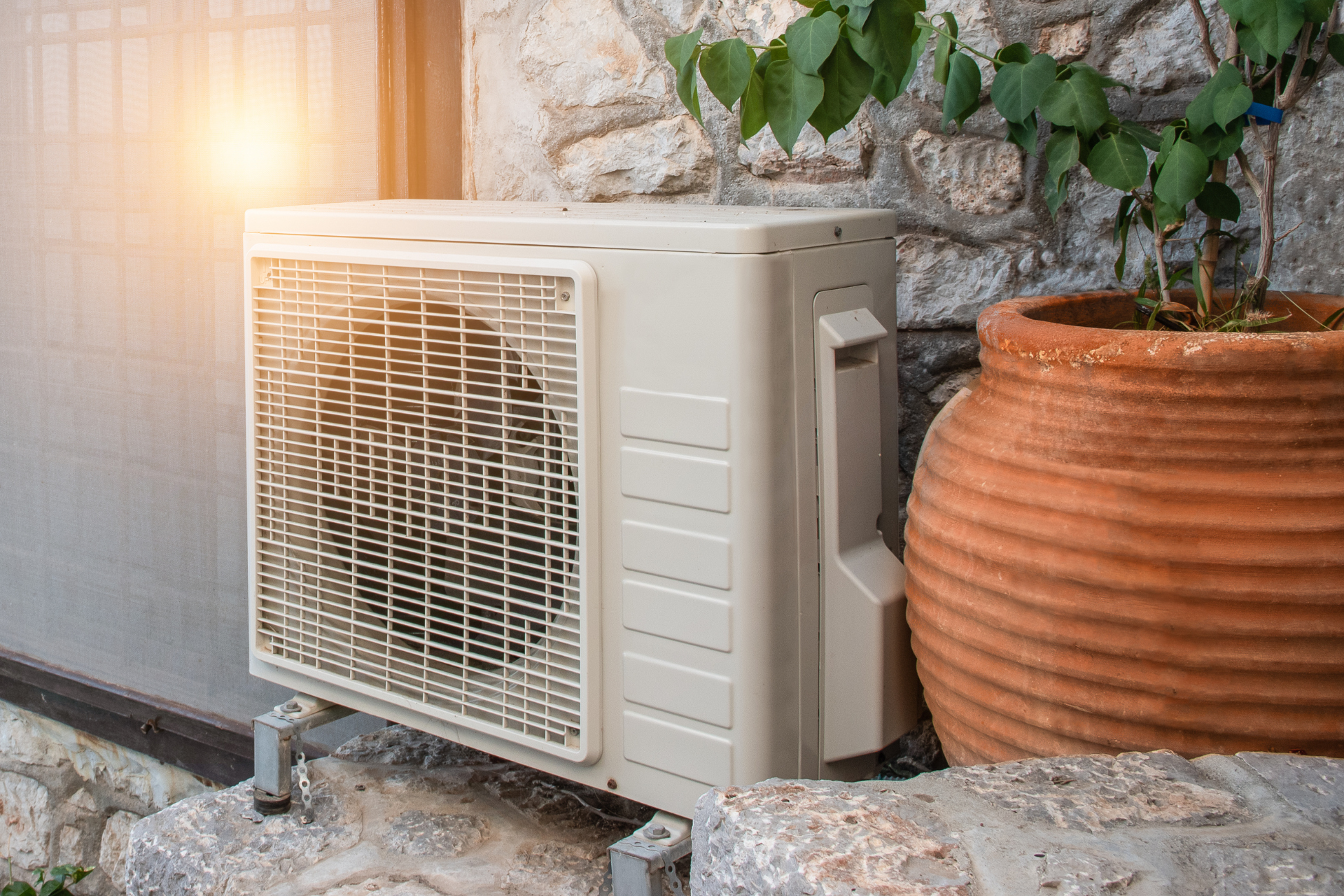
Do You Need Electrical Upgrades for an Air Source Heat Pump?
If you’re planning to install an air source heat pump, one of the most common questions is whether your home’s electrics will need upgrading. In most cases across the UK, the answer is no major electrical changes are required—but there are still a few important checks to make sure everything runs safely and efficiently.
How Much Electricity Does a Heat Pump Use?
Air source heat pumps do run on electricity, but they work very differently from traditional electric heaters. Instead of generating heat directly, they extract heat from the outside air and transfer it into your home.
Because of this process, they are far more efficient than many people expect. While electricity is still required to power the system, the overall usage is relatively low compared to conventional electric heating. That said, the system still needs to be correctly installed to ensure safe and efficient performance all year round.
Will My Home Need New Electrics?
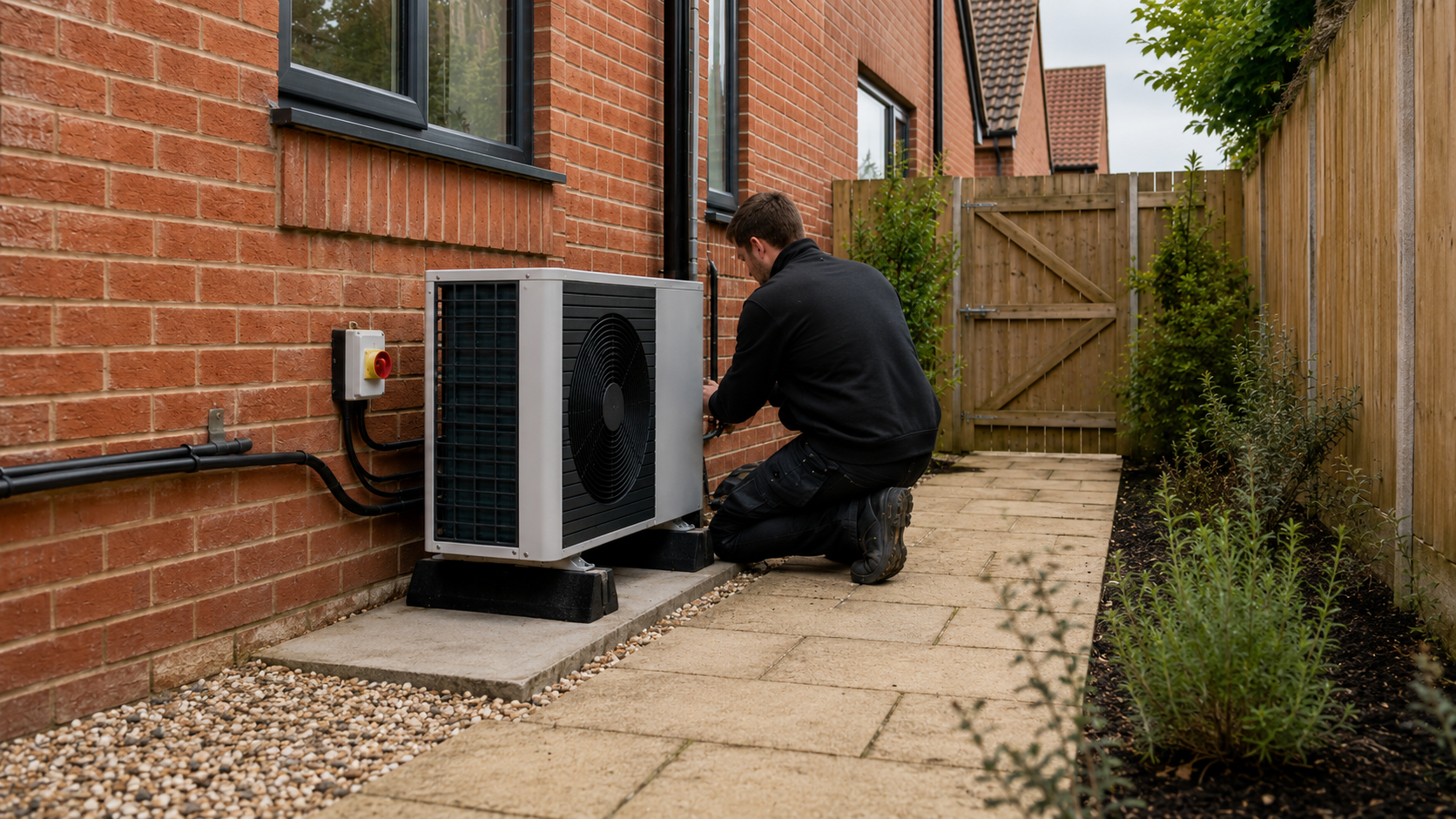
Most homes do not require major electrical upgrades. However, a heat pump typically needs its own dedicated electrical circuit. This simply means the heat pump is powered separately from other household appliances, running directly from the fuse board. This setup helps to:
- Prevent overloading existing circuits
- Improve system safety
- Maintain stable and reliable performance
It is a standard part of
professional installations in the UK and is usually straightforward to put in place.
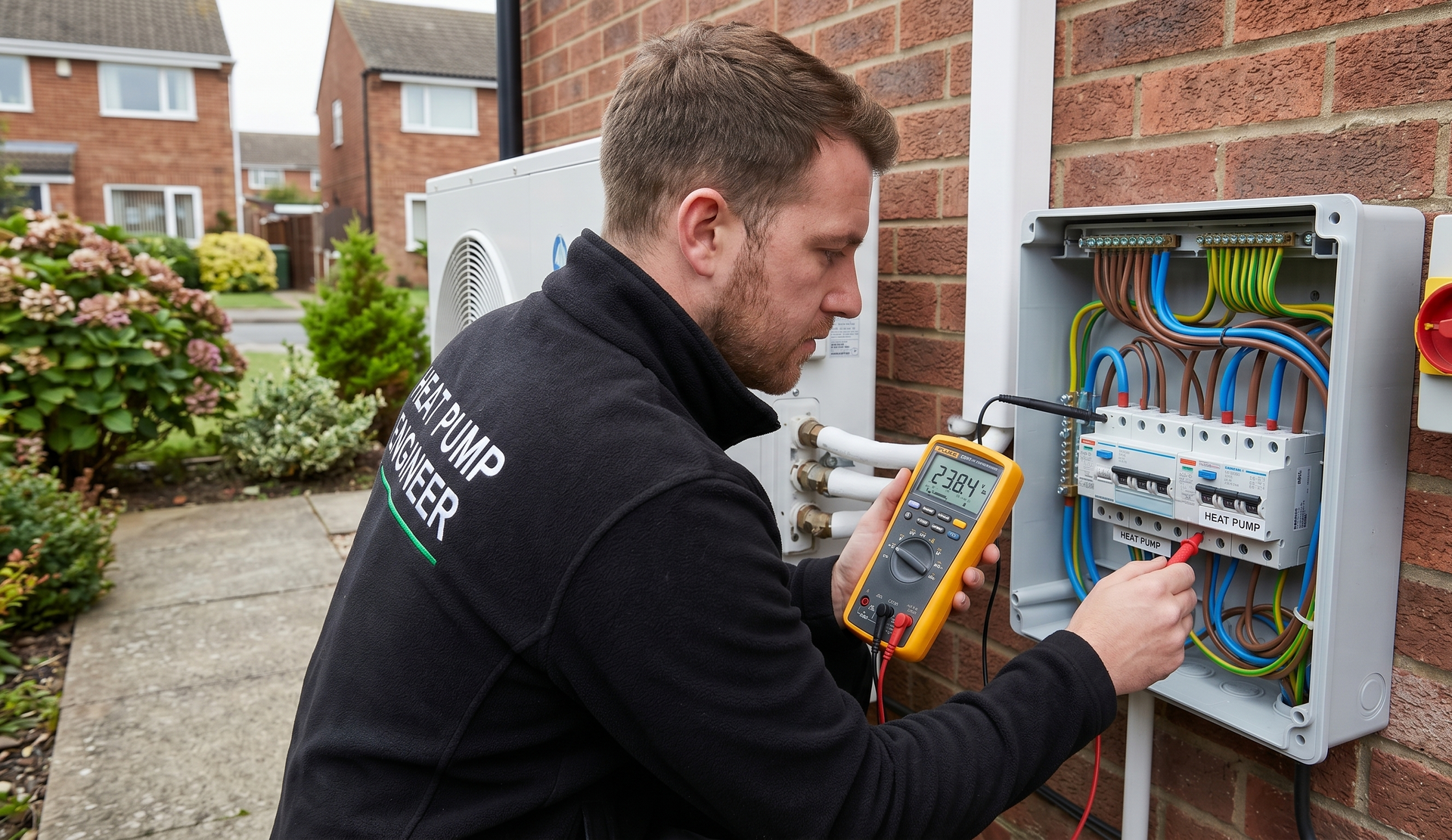
Can My Electrical Supply Handle a Heat Pump?
Most UK homes operate on a standard single-phase electricity supply, which is suitable for the majority of air source heat pump systems.
In larger properties or homes with higher energy demands, an installer may carry out a load assessment. This is a simple check to ensure your existing electrical supply can safely support the additional demand. In most cases, no upgrade to the main supply is required.
Safety and Compliance
When installed by a qualified professional, air source heat pumps are completely safe and fully compliant with UK regulations. All electrical work is tested and certified, ensuring:
- Safe and correct installation
- Proper protection for the system
- Compliance with current electrical standards
This ensures the heat pump operates reliably and safely from day one.
Is a New Fuse Board Required?
Not always. Some properties may need a consumer unit (fuse board) upgrade, but this depends on the age, condition, and capacity of the existing one. An upgrade may be considered if:
- The fuse board is outdated or doesn’t meet current safety regulations
- There isn’t enough space for an additional circuit
- The board lacks proper protection, such as RCDs
However, many modern homes already have suitable consumer units, meaning no changes are needed. This is always confirmed during the installation survey.
What Happens Before Installation?
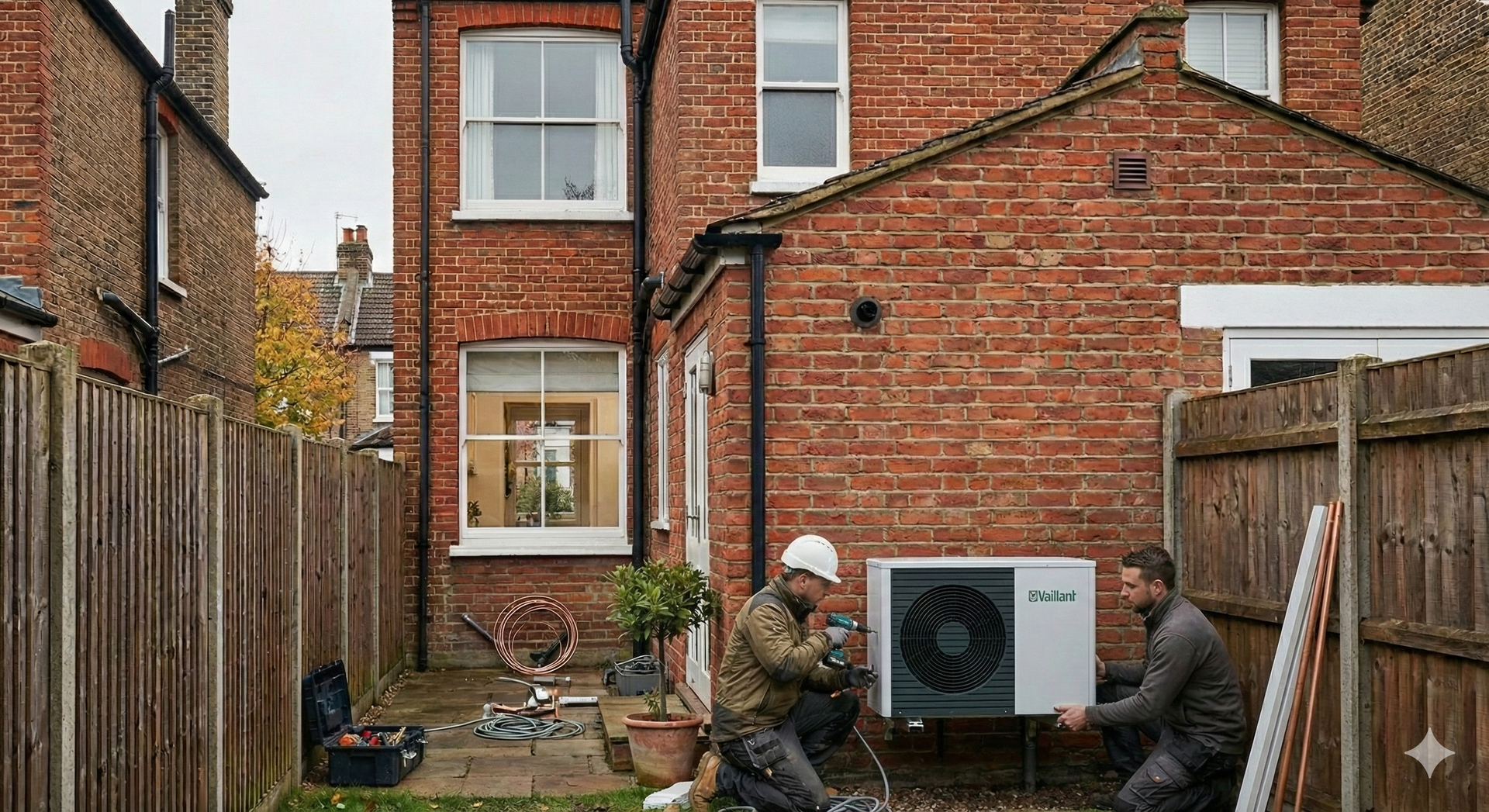
Before any installation takes place, a full technical survey is carried out. This allows the installer to assess your property in detail and plan the system properly. During the survey, they will check:
- Your existing fuse board and available capacity
- The overall electrical load in your home
- The best location for the system connection
- Whether any minor upgrades are required
This step helps avoid surprises and ensures everything is ready before installation begins.
In reality, most homes do not require significant electrical work. At most, a dedicated circuit may be added, which is a standard part of the process. Major upgrades are uncommon, and if anything is needed, it will always be explained clearly before work starts.
At
Darlington Heat Pumps, we carry out full pre-installation assessments to check whether your home needs any electrical upgrades or minor additions before fitting your system. This ensures everything is safe, compliant, and ready to run efficiently from day one.