Do Air Source Heat Pumps Make Noise? What You Should Know

Mariel • April 10, 2026

How Loud Are Modern Heat Pumps?

Heat is measured in decibels (dB), and most contemporary air source heat pumps operate between 40 and 60 dB. To put that in context:


30–40 dB: A whisper or a quiet library

40–50 dB: A refrigerator humming in the kitchen

60 dB: A normal conversation


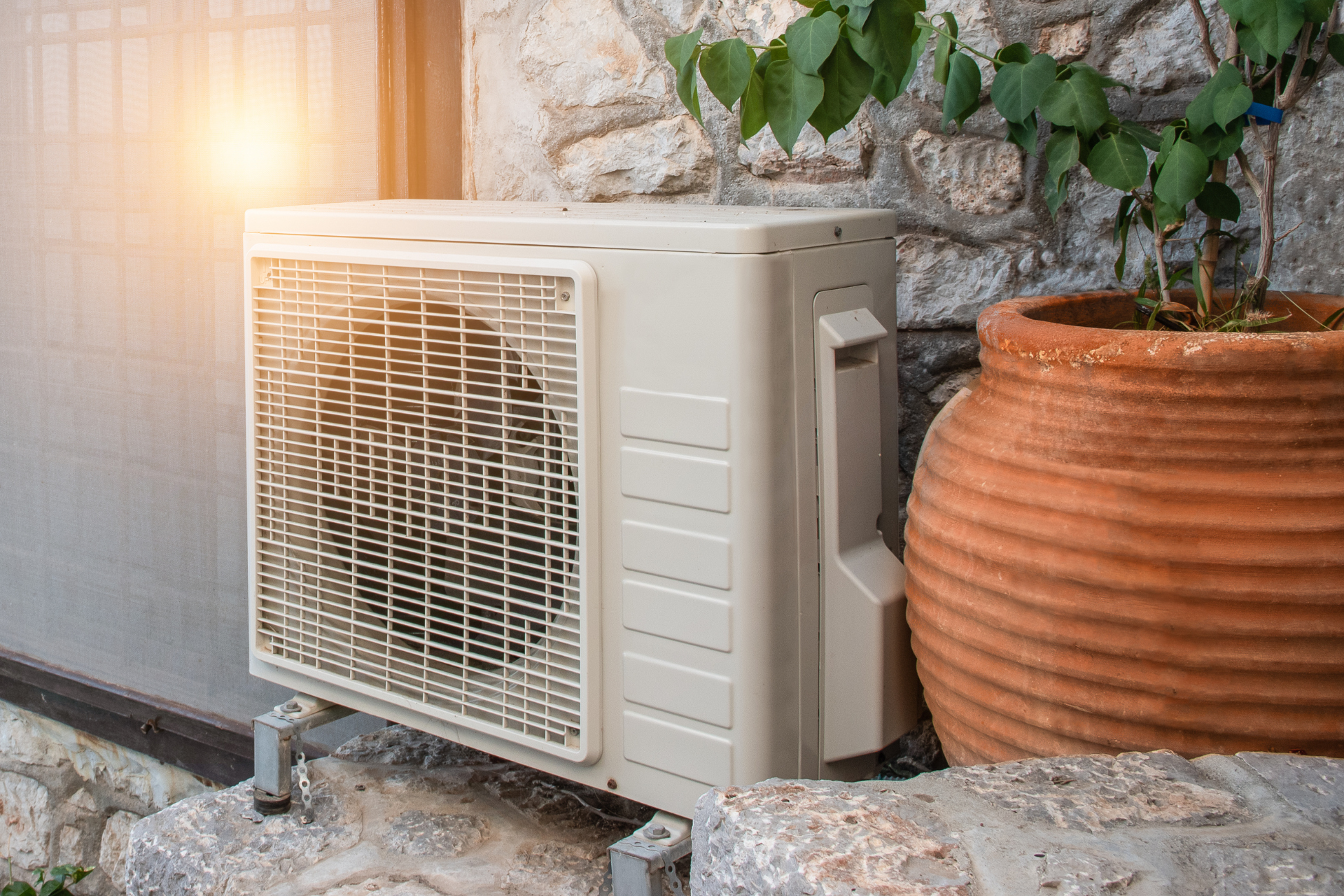
Up close, a heat pump sounds similar to your fridge humming. Step a few metres away, and it blends seamlessly into the background sounds of everyday life, such as rustling leaves or passing traffic. The days of clunky, loud units are long gone—today’s models are engineered for quiet residential use.

When Will You Hear the Heat Pump?

While modern units are very quiet, they are not completely silent. The fan and compressor create minimal sound as they move air and heat the refrigerant.


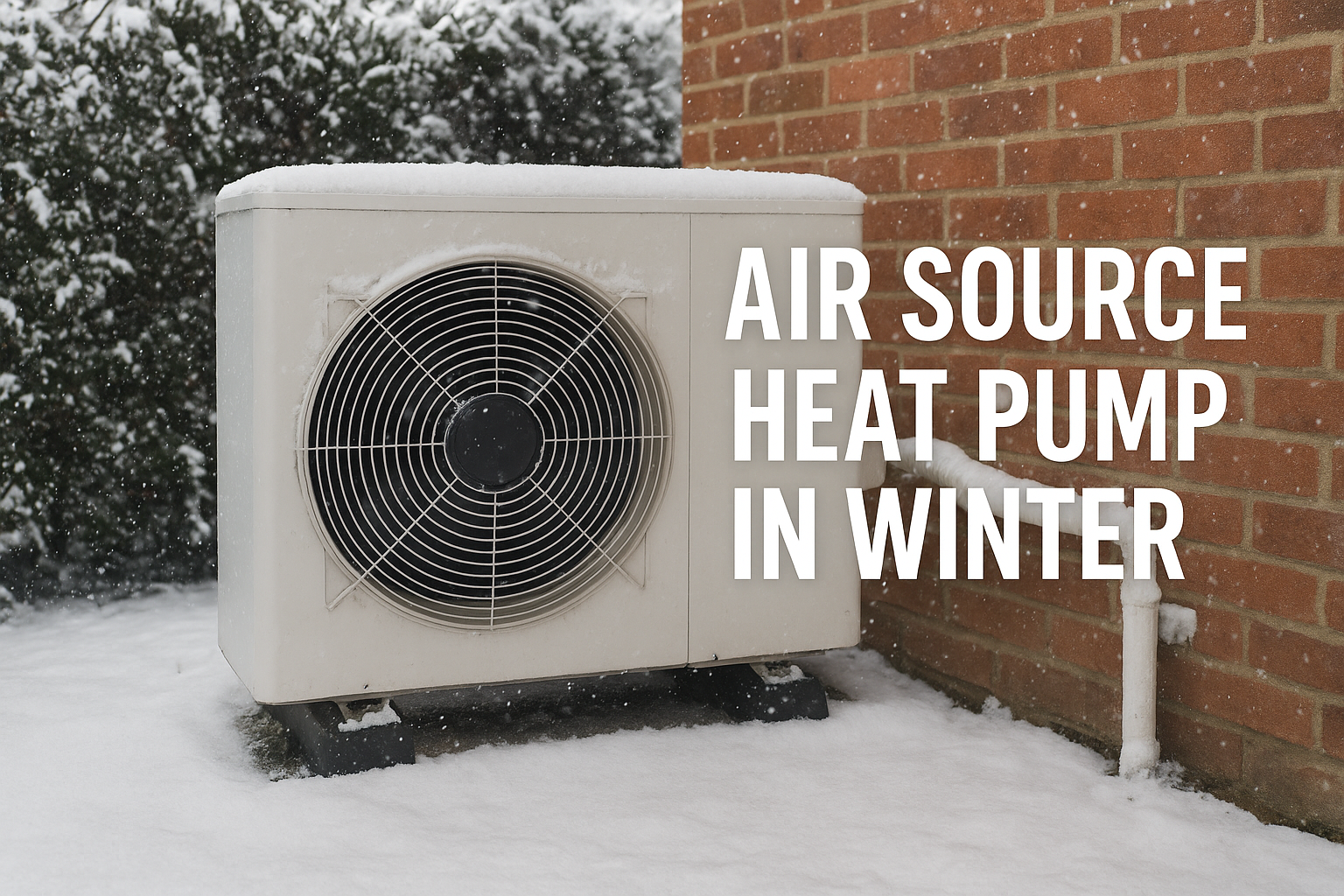
During cold weather, frost can sometimes form on the unit. To remove it, the system runs a brief defrost cycle, which may produce a short whooshing sound. This is entirely normal and only lasts a few minutes.
Why Professional Installation Matters

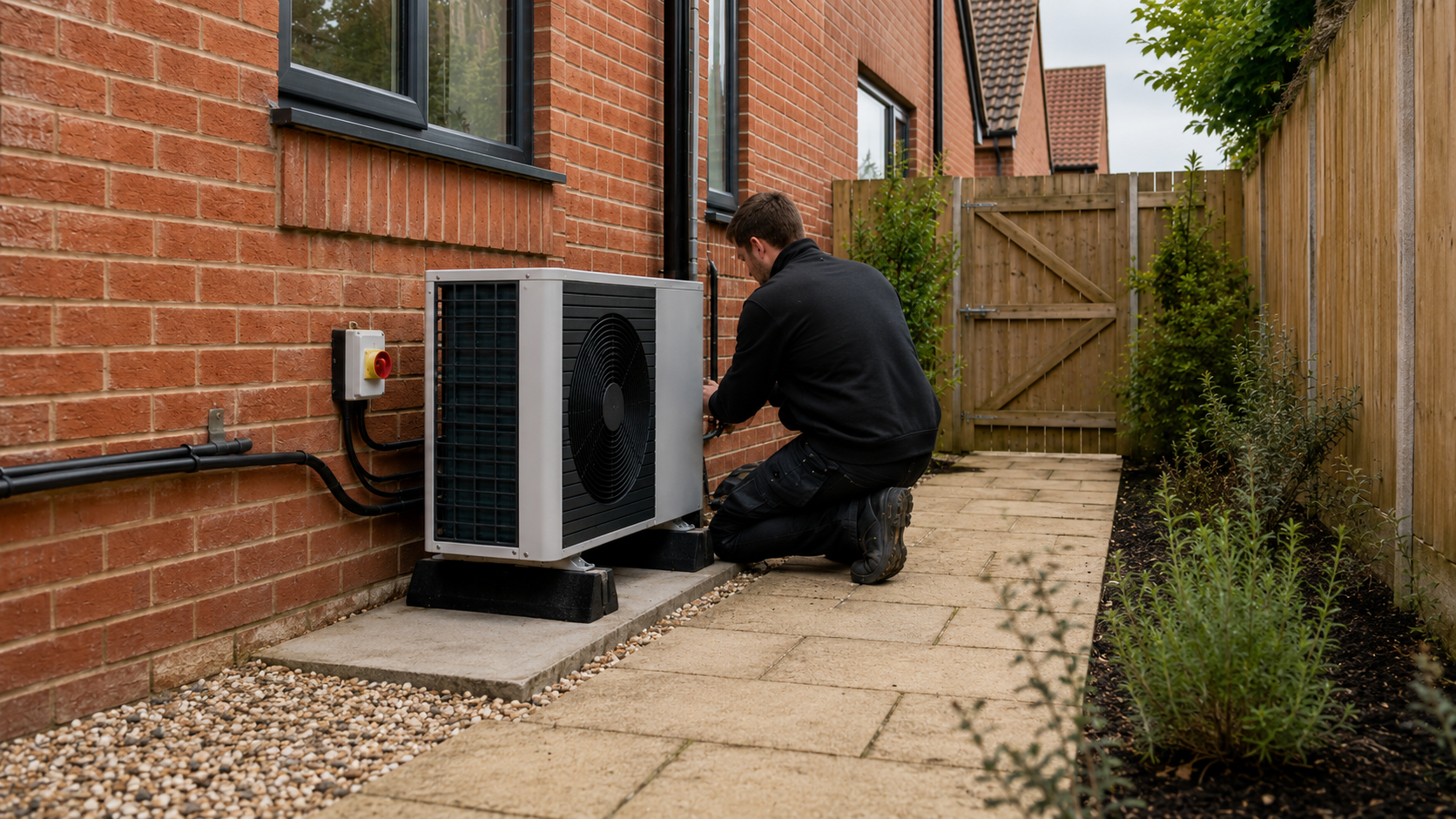
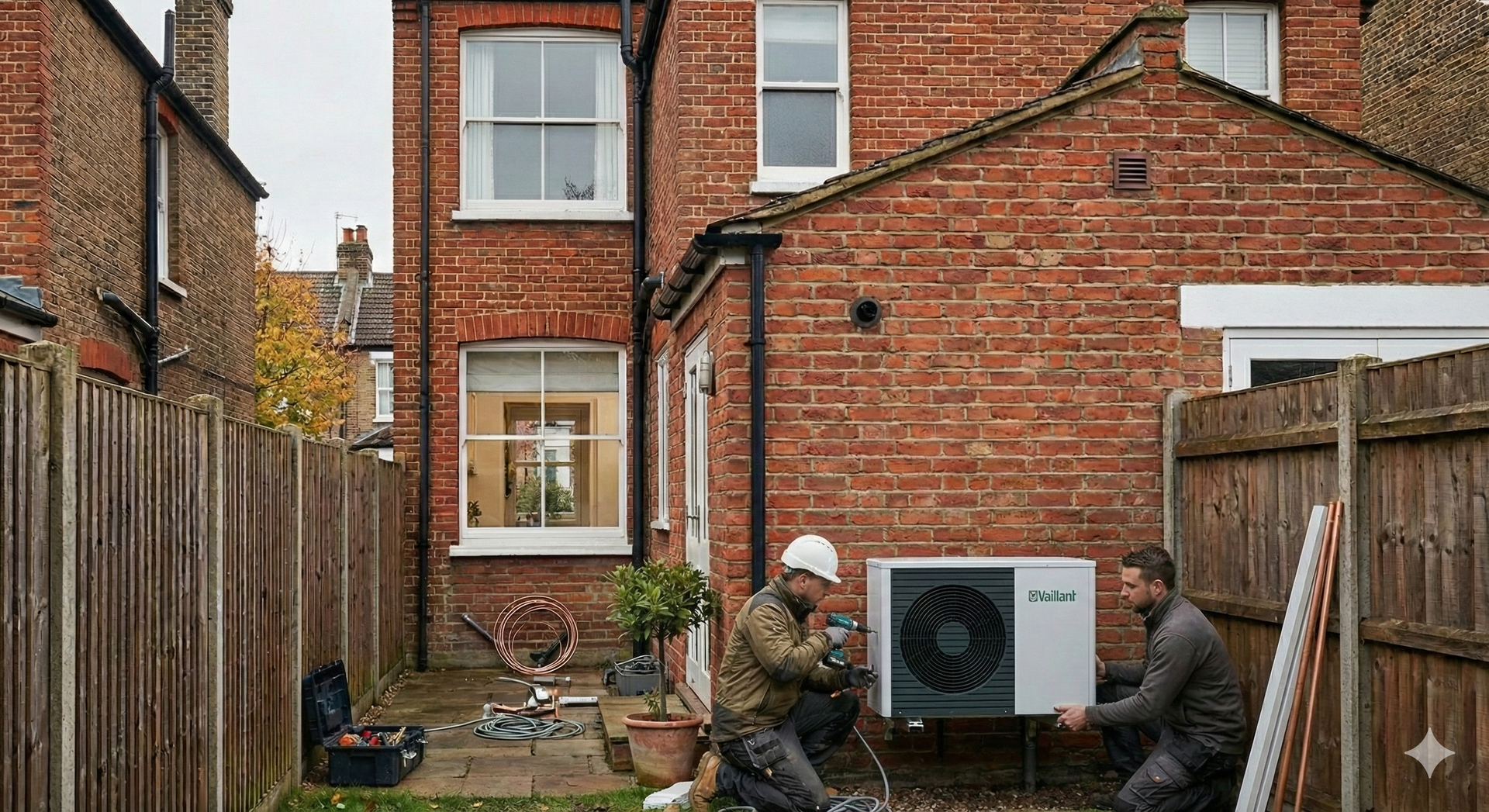
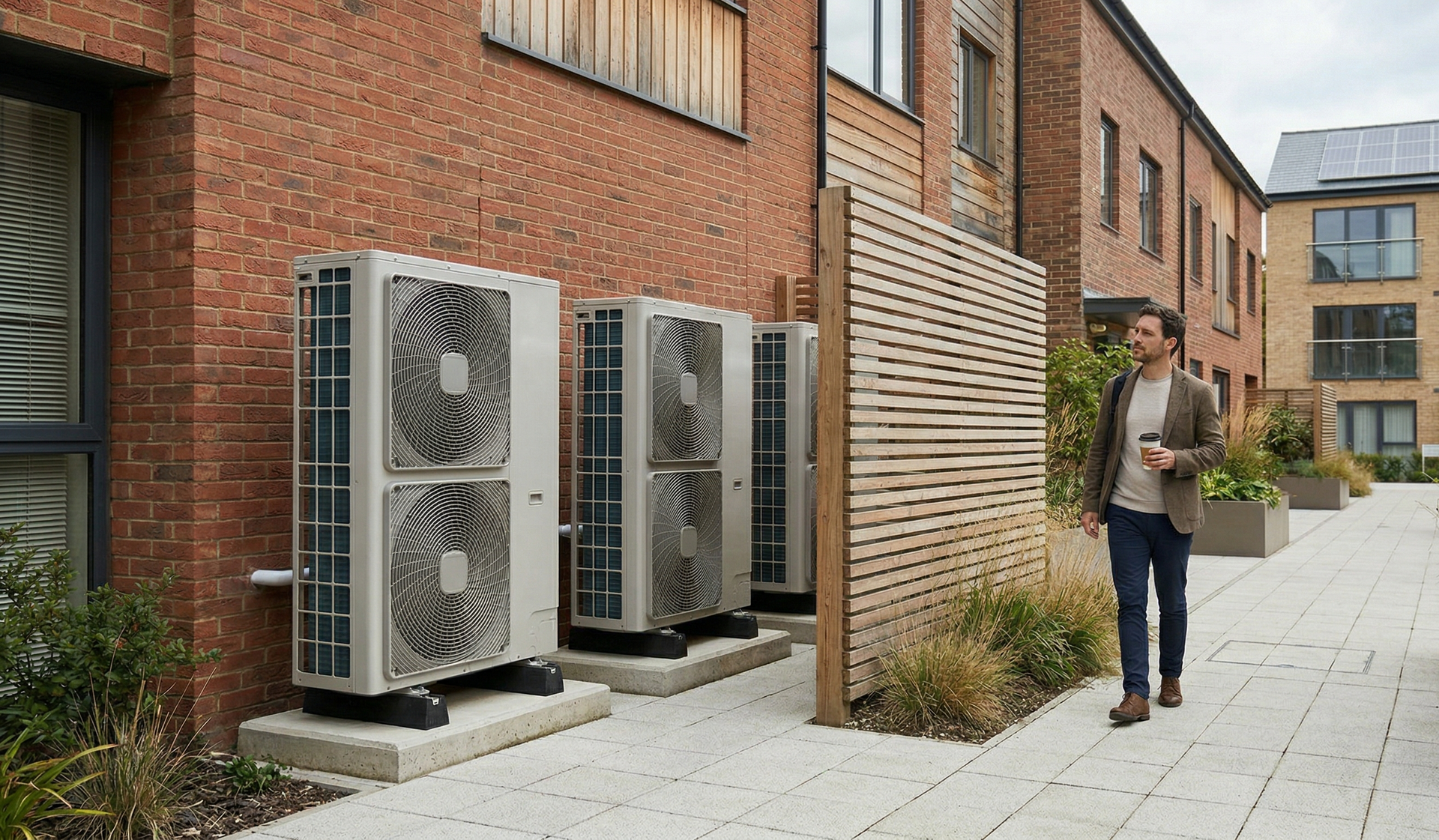
Even the quietest unit can become disruptive if installed incorrectly. Placement is key. Professional installers:

  • Choose a location away from bedrooms or tight, echo-prone spaces
  • Use anti-vibration mounts to absorb motor movement and prevent noise from travelling through the home structure

This ensures your system is both effective and unobtrusive.

With the right technology and expert installation, you don’t have to compromise between eco-friendly heating and a peaceful home environment. If you’re ready to experience efficient, low-noise heating for your home, Darlington Heat Pumps is here to help. Our expert team designs and installs high-performance air source heat pump systems tailored to your property, ensuring maximum comfort with minimal noise. Get in touch today to book your consultation and make the switch to quieter, greener heating.
By Mariel March 6, 2026
ECO4 funding is still available! Learn how to take advantage of government support for energy efficiency measures, including air source heat pumps and insulation.
By Mariel February 2, 2026
The government’s Warm Homes Plan is a long-term initiative designed to help homeowners cut energy bills, reduce carbon emissions, and make homes more comfortable. Central to this strategy is the use of low-carbon heating solutions, particularly air-source heat pumps (ASHPs), which are efficient, eco-friendly, and cost-effective.
By Mariel January 9, 2026
Get the most from your air source heat pump. Learn how home insulation boosts heat pump efficiency.
By Mariel December 10, 2025
Ensure your air source heat pump stays efficient this winter with our simple maintenance checklist. Check filters, outdoor unit, pipes, and schedule professional service.
By Mariel October 9, 2025
When most people think of smart thermostats, they imagine them paired with a gas boiler — turning the heating up from your phone or letting the system learn your daily routine. But what if you’ve switched to a more efficient system, like an air source heat pump (ASHP)? Can the two work together? The short answer is yes — and when they do, you get the perfect mix of comfort, control, and energy savings.
By Mariel August 21, 2025
Across the UK, rising energy prices have made many households look for better, long-term solutions to cut costs. At the same time, more people want to live sustainably and prepare their homes for the future. One of the smartest ways to achieve this is by combining air source heat pumps (ASHPs) with solar panels.
By Mariel December 4, 2024
The Energy Company Obligation (ECO4) Scheme is a government initiative designed to promote energy efficiency in UK homes. By supporting households with funding for energy-saving improvements, the scheme plays a vital role in reducing energy bills and cutting carbon emissions. This blog explains who can benefit, what the scheme funds, and how to apply, helping you make the most of this opportunity to upgrade your home’s energy efficiency.
Black Airsource Heat Pump
By Mariel October 16, 2024
Home heating accounts for 38% of gas use in the UK, contributing to considerable CO2 emissions, with the average gas boiler emitting 2.2 tonnes of CO2 annually. An air source heat pump, powered by renewable electricity, offers a more sustainable alternative, which is why the government is promoting its adoption. The UK government aims to phase out gas boilers by 2035 as part of its plan to achieve net-zero emissions by 2050. To support this transition, grants are being offered to help households install air source heat pumps and other low-carbon heating solutions, encouraging homeowners to switch from their old gas and oil boilers to cleaner, greener options.
By Mariel April 12, 2024
Various heat pump variants, such as air source, ground source, and hybrid systems, offer efficient and environmentally friendly heating options for your home, all while being cost-effective. Preparing your home for a heat pump involves several key considerations: Insulation and Energy Efficiency : Before installing a heat pump, assess your home's insulation and overall energy efficiency. Upgrading insulation and improving energy efficiency can significantly reduce energy costs and ensure optimal performance from your heat pump. Available Space: Determine if your property has enough space for the type of heat pump you're considering, whether it's an air source, ground source, or hybrid system. Different heat pump types require specific space considerations, so ensure your property meets these requirements. Planning Permissions: Check with your local authority to understand if your heat pump installation requires planning permission. Regulations can vary, so it's important to align your plans with local guidelines to avoid any legal issues. Radiators and Pipework: Evaluate your existing radiators and pipework to determine if they're compatible with a heat pump. Heat pumps can work with various heating systems, including radiators and underfloor heating. In some cases, minor adjustments or upgrades may be necessary for optimal compatibility. Maintenance and Servicing: Plan for regular maintenance and servicing of your heat pump to ensure it operates efficiently and maintains longevity. Access to qualified technicians for servicing and addressing any issues promptly is essential for optimal heat pump performance. By addressing these factors, you can better prepare your home for a heat pump installation, ensuring maximum efficiency and effectiveness of your heating system.
By Mariel March 14, 2024
Heat pumps are required to display an energy label indicating their efficiency level, ranging from dark green (most efficient) to red (least efficient). Since September 26, 2015, all newly manufactured heat pumps must come with an EU product label. Additionally, the installer is responsible for providing a package label that showcases the efficiency based on various components within the heating system. Any heat pumps certified by the Microgeneration Certification Scheme must include a product label upon sale, and the installer must also provide a package label. Failure to have a product label may result in the heat pump being ineligible for Government grants. Air-source heat pumps are among the most efficient methods for heating homes, resulting in significantly lower running costs compared to conventional heating systems. According to the Energy Saving Trust, heating a home with gas costs around 4.6p per kWh, while standard electric heaters cost between 9 and 16p per kWh. A typical air source heat pump may run at approximately 4.7p per kWh, potentially dropping to 2.3p if utilizing Economy 7 electricity or switching to our GoElectric tariff.